Understanding Access Requests in the Digital Age
In today’s fast-paced digital environment, the management of access requests has become a critical component for organizations aiming to protect sensitive information and maintain compliance with various regulations. As businesses increasingly rely on digital systems for operations, the need for a robust access request process becomes ever more vital. This article will explore the ins and outs of access requests, including their definition, the importance of implementing effective processes, and the role they play in information security. Additionally, we will touch on related areas, like the implications of Access Request Interpol Red Notice Removal, which highlight the broader context of access and permissions in the digital realm.
What is an Access Request?
An access request is a formal petition made by an individual, often an employee or stakeholder, to gain access to specific resources or information that are protected or restricted. This could involve access to files, databases, systems, or even physical locations within an organization. Access requests can arise for various reasons, such as job responsibilities, collaborative projects, or personal interests in data analysis.
The Importance of Access Requests
Access requests are fundamental to maintaining data security and operational integrity. Here are a few reasons why establishing and managing a proper access request process is essential:
- Data Security: By regulating who has access to sensitive information, organizations can protect themselves from internal and external threats. Limiting access reduces the risk of data breaches, leaks, or unauthorized alterations.
- Compliance with Regulations: Many organizations face strict regulatory demands. Implementing a streamlined access request process helps ensure compliance with data protection laws like GDPR, HIPAA, or others relevant to specific industries.
- Operational Efficiency: Clear procedures for access requests enhance workflow efficiency. When staff know how to properly request resources, it minimizes downtime and fosters better collaboration.
- Accountability: Documenting access requests creates a clear audit trail. This not only provides transparency but also establishes accountability for users accessing sensitive information.
The Access Request Process
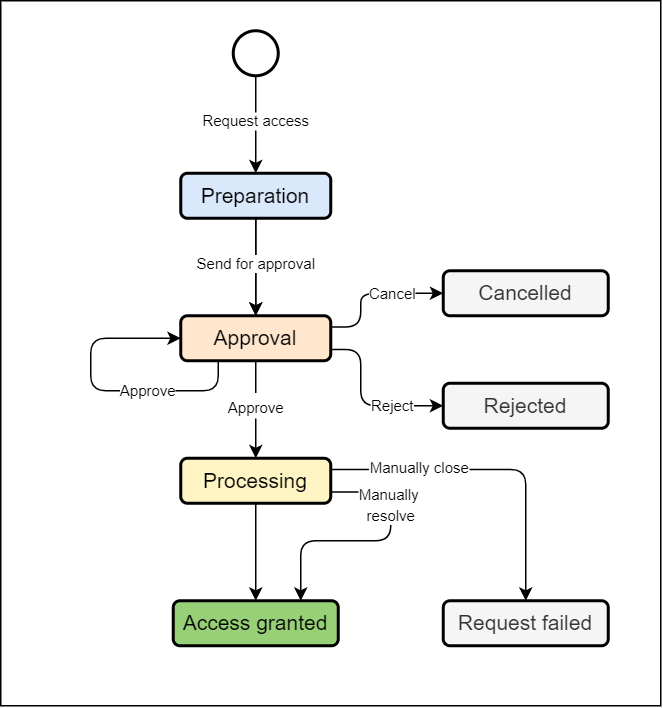
Establishing an effective access request process typically involves several key steps:
- Request Submission: The individual submits a formal request through an established channel, which may include an internal system or email.
- Verification: The request is then verified by a manager or administrator who assesses the need and justification for access.
- Review: The request goes through a review process considering existing security policies, potential risks, and user history.
- Approval or Denial: Depending on the assessment, the request is either approved or denied, with the decision communicated to the requester.
- Access Provisioning: If approved, access credentials are granted, a timeline for access is defined, and any necessary training is provided to the individual.
- Monitoring: Regular audits and monitoring are necessary to ensure compliance with access privileges and to adjust or revoke access when appropriate.
Challenges in Managing Access Requests
Despite the clear necessity of access requests, organizations often encounter numerous challenges in managing them effectively:
- Overlapping Roles: In many organizations, job roles may overlap, leading to confusion about who should have access to what resources.
- Resistance to Change: Employees may resist new access request processes, especially if they perceive them as bureaucratic or time-consuming.
- Technology Limitations: Outdated technology or lack of automation can create bottlenecks, delaying the access request process.
- Security Risks: Mismanagement of access requests can lead to unauthorized access, posing serious security risks.
Best Practices for Effective Access Request Management
To overcome these challenges, organizations should adopt best practices for managing access requests:
- Clear Policies: Developing clear and concise access request policies that are communicated to all employees can drastically improve compliance and understanding.
- Automated Systems: Investing in automated access management software can streamline the process, reduce manual errors, and increase efficiency.
- Regular Training: Providing regular training sessions for employees about access policies and security measures can foster a culture of awareness and compliance.
- Periodic Reviews: Regularly reviewing access permissions and adjusting them as necessary ensures that only the right individuals have access to critical data.
The Role of Technology in Access Requests
Technology plays an indispensable role in the efficient management of access requests. Modern access management solutions offer features such as:
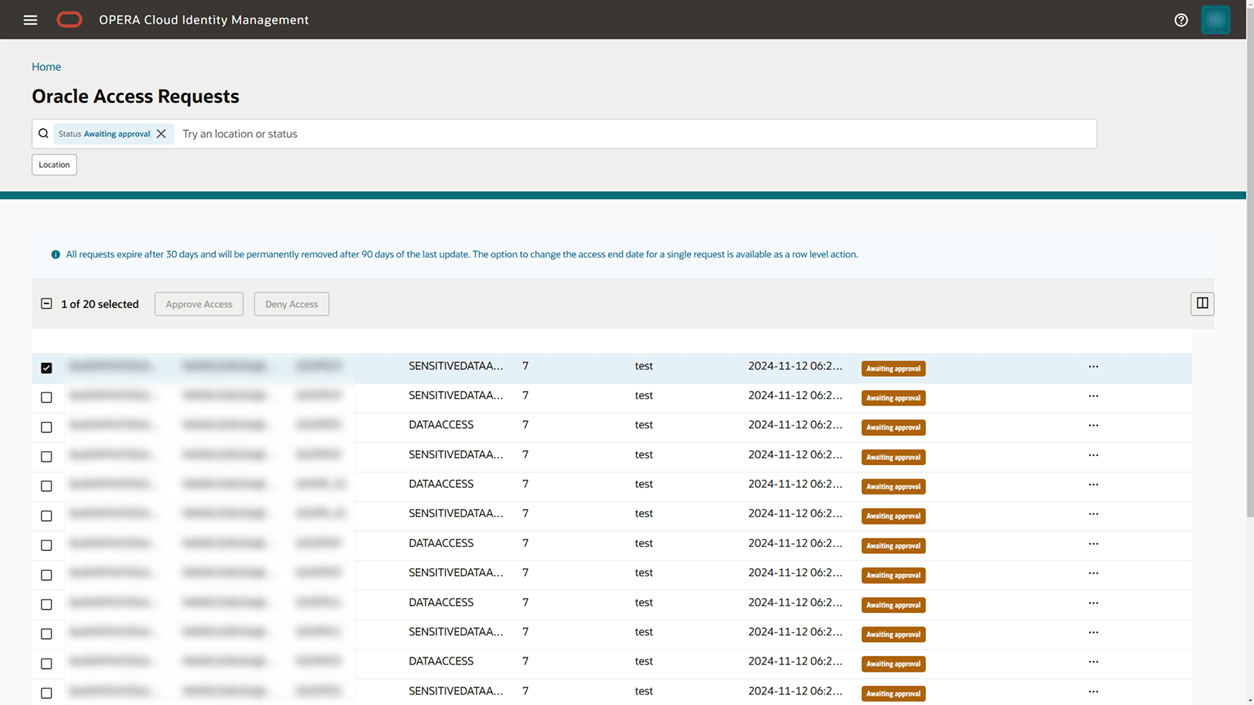
- Self-Service Portals: Employees can submit and track their requests through user-friendly interfaces, reducing administrative burden.
- Automated Workflows: Automation ensures requests are routed appropriately without delays, and notifications alert reviewers about pending actions.
- Reporting and Analytics: Comprehensive reporting capabilities allow organizations to analyze access patterns, helping to identify potential security flaws.
- Integration with Existing Systems: Many access management tools seamlessly integrate with other enterprise systems, providing a cohesive approach to data security.
The Future of Access Requests
Looking forward, the landscape of access requests is likely to continue evolving in response to emerging technologies and shifting regulatory environments. Key trends to watch include:
- Zero Trust Security Models: Organizations are increasingly adopting Zero Trust principles, which emphasize never trusting anyone implicitly, regardless of their location.
- Use of Artificial Intelligence: AI can help in predicting access needs based on usage patterns and proactively adjusting permissions to enhance security.
- Privacy-First Frameworks: As regulations tighten globally, companies will need to adapt their access request processes to prioritize user privacy and data protection.
Conclusion
In summary, access requests are a crucial aspect of organizational security and compliance in the digital age. A well-structured access request process not only safeguards sensitive information but also enhances efficiency and accountability within an organization. As technology evolves and regulations become more stringent, it will be essential for companies to stay ahead by adapting their access management strategies. By understanding the importance of access requests and implementing best practices, organizations can create a secure, efficient, and compliant environment for their operations.